Rio Rancho Movers Services for Homes and Businesses
Rio Rancho Movers website provides information for people who need assistance moving household items, office equipment, and personal belongings between buildings and storage spaces. The service focuses on how items are handled, arranged, and carried using careful methods that protect different types of goods throughout each stage of the process.
Careful Handling of Household Items
Homes often contain items of many shapes, sizes, and materials. Furniture, kitchen tools, electronics, and decorative pieces each require attention based on their structure. Large items such as tables and cabinets are taken apart when needed to make carrying easier. Smaller items are grouped and placed into containers that keep them organized.
Protective wrapping materials are used to reduce contact damage during lifting and carrying. Blankets, padding sheets, and protective films help reduce scratches and impact marks. Special attention is given to fragile objects such as glass frames and ceramic pieces, which are placed in reinforced containers.
Office Equipment Handling
Business environments often include computers, printers, filing systems, and desks. These items require organized handling due to their function and structure. Electronic devices are disconnected and placed into protective coverings before being moved. Cables and accessories are sorted and labeled so they can be matched correctly later.
Desks and chairs are managed based on their design. Some furniture pieces are separated into parts for easier carrying through doorways and corridors. Filing cabinets are secured so drawers do not shift during movement.
Packing Materials and Protection Methods
Packing materials play an important role in protecting belongings. Strong boxes, cushioning layers, and wrapping materials are selected based on the type of item being handled. Heavy items are placed in durable containers, while lighter items are grouped to prevent shifting inside the box.
Labeling is used to identify contents and their placement order. This helps maintain organization during handling and unloading. Careful stacking methods are used to ensure weight distribution is balanced, reducing pressure on lower layers of packed items.

Loading and Transport Process
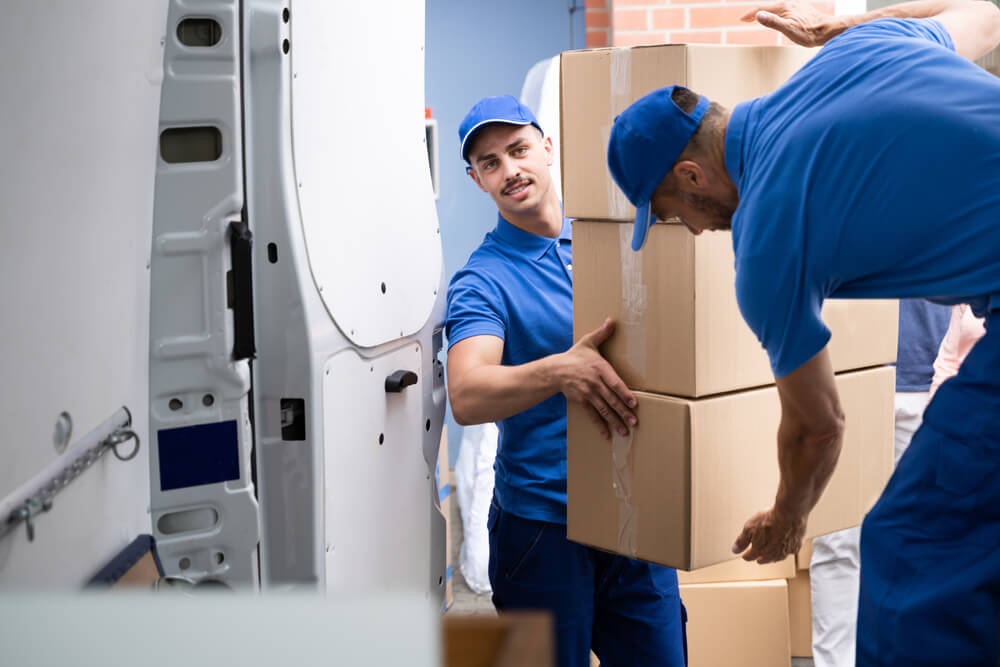
Loading requires attention to weight balance and space usage. Items are placed in a structured manner so that heavier objects remain at the bottom and lighter items are positioned above them. This reduces movement during transport and helps protect delicate goods.
Straps and securing tools are used to hold items in place. Doors and access points are checked to ensure safe passage during loading and unloading. Each step is performed with attention to prevent shifting or impact between objects.
Service Verification and Safety Guidance
People often want to confirm whether a service provider follows proper standards for handling and transport practices. One helpful resource for checking guidance and safety expectations in the industry can be found here: FMCSA Protect Your Move. This resource explains important considerations such as verification of service details, understanding documentation, and reviewing essential safety practices before choosing assistance for moving household or business items.
Scheduling and Coordination of Services
Time coordination plays an important role when arranging item handling services. Requests are reviewed based on item quantity, access conditions, and preparation requirements. Clear communication helps ensure that all items are ready for handling at the correct time.
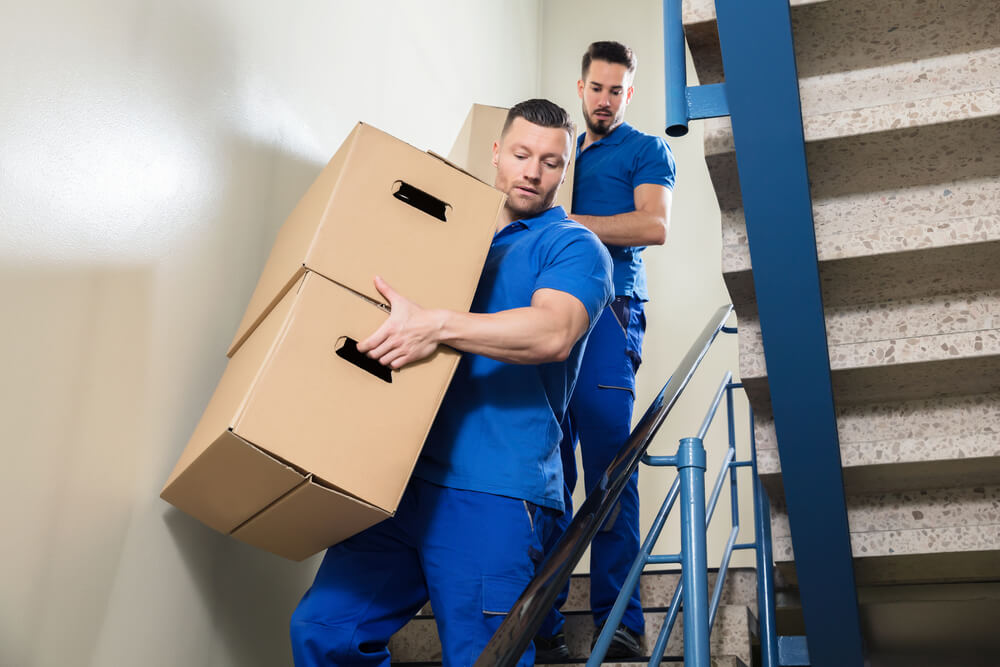
Entry points such as stairways, elevators, and loading docks are checked in advance when possible. This helps determine how items will be carried and positioned during the process. Proper coordination also supports efficient use of time during loading and unloading steps.
Care Standards and Attention to Detail
Each item is treated according to its material and condition. Wooden furniture is handled differently from metal or glass objects. Electronic equipment receives added protection due to its sensitivity. Soft materials such as fabric items are grouped to avoid unnecessary pressure.
Teams follow structured handling methods that reduce unnecessary movement of items during carrying. Careful attention is given to corners, edges, and surfaces that may be more vulnerable to damage.
Final Notes on Service Approach
Rio Rancho Movers focuses on structured handling of household and business belongings using organized methods at each stage of the process. From preparation to carrying and placement, each step is managed with attention to detail and item protection. The goal is to ensure that belongings remain properly arranged and protected throughout the entire process, supporting a well-managed experience for individuals and businesses managing item transport needs.