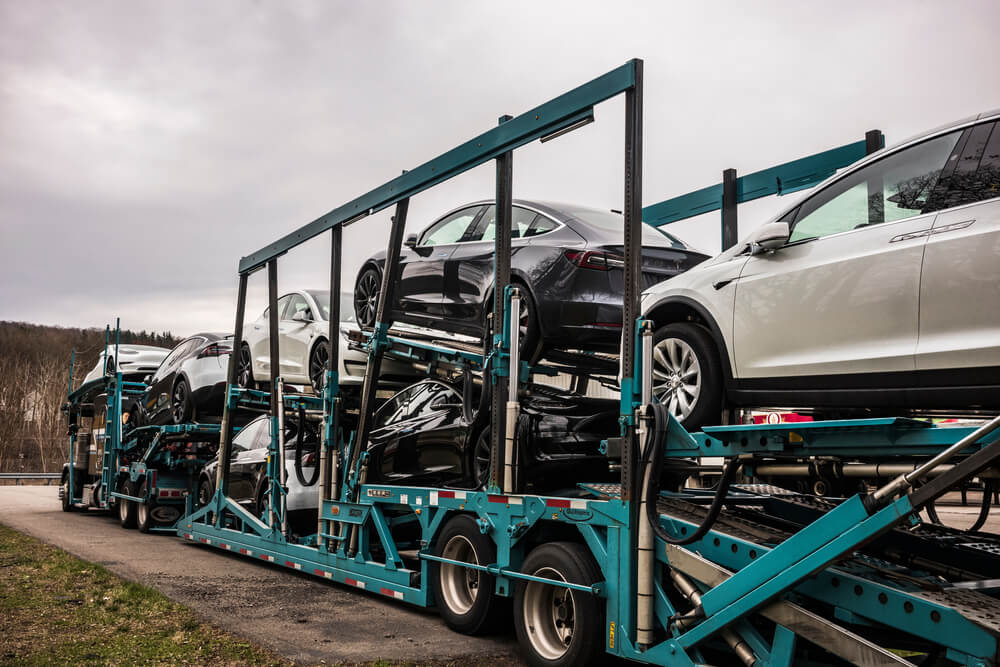
Relocation today is far more complex than it used to be, especially for individuals and businesses moving across cities or states. Whether you are transporting a family car, managing dealership inventory, or coordinating a full household move, planning ahead and choosing the right partners makes a measurable difference. Platforms like visit website play an important role in the logistics ecosystem by helping transport professionals connect with customers who need reliable vehicle shipping services. When combined with dependable local and long-distance movers, this kind of coordination turns what could be a stressful process into a structured and manageable experience.
While vehicle transport is often a major part of a relocation, it is only one piece of the puzzle. People moving to or from coastal California towns, for example, also need experienced movers who understand regional routes, parking constraints, and timing challenges. This is where companies such as go to site come into the picture, offering household moving services that align well with broader logistics needs. When your car transport and home move are handled by specialists in their respective fields, you gain flexibility, better scheduling, and fewer last-minute surprises.
Why Integrated Planning Matters in Modern Moves
One of the most common mistakes people make during relocation is treating car shipping and household moving as completely separate tasks. In reality, these services often depend on the same factors, including pickup windows, delivery timelines, and access requirements. Coordinating them improves efficiency and helps avoid gaps where you arrive without your vehicle or, worse, have a car delivered before you can access your new home.
Integrated planning also offers financial advantages. When timelines are aligned, you can reduce storage fees, avoid expedited shipping charges, and limit the need for temporary rentals or lodging. Professional movers and transport brokers are accustomed to working within these coordinated frameworks and can often spot issues that individuals miss when planning on their own.
Choosing Reliable Partners Over Lowest Price
Price matters in any move, but reliability matters more. A low quote means little if deadlines are missed, items are damaged, or communication breaks down. Reputable movers and transport coordinators invest in trained staff, compliant equipment, and transparent processes. They also maintain insurance coverage and adhere to regulatory standards that protect customers.
A useful way to evaluate quality is to check whether a company aligns with guidelines from recognized authorities in the industry. For example, the Federal Motor Carrier Safety Administration (FMCSA) provides consumer resources on selecting licensed movers and auto transporters, understanding insurance requirements, and avoiding common scams. Referring to guidance from an organization like the FMCSA helps customers make informed decisions and sets realistic expectations for timelines and costs.
The Role of Technology in Moving and Transport
Technology has changed how relocation services operate. Online booking systems, GPS tracking, automated updates, and digital documentation now allow customers to stay informed throughout the process. These tools reduce uncertainty and build trust, especially when moving long distances where in-person updates are not possible.
For professionals, lead generation platforms, route optimization software, and digital customer management systems improve efficiency and reduce downtime. This means faster service for customers and more predictable scheduling for drivers and crews. As logistics continues to evolve, companies that embrace these tools tend to deliver smoother experiences.
Preparing for a Smooth Relocation Experience
Even with great service providers, customers play a role in ensuring success. Clear communication is essential. Provide accurate addresses, flexible date ranges when possible, and honest descriptions of items being moved or vehicles being transported. Preparing your car by removing personal belongings, documenting its condition, and confirming fuel levels can prevent disputes later.
For household moves, organizing and labeling boxes, confirming access details at both locations, and understanding what items movers will not transport, such as hazardous materials, saves time on moving day. These small steps reduce delays and help crews focus on safe and efficient loading and unloading.
Looking Ahead: Smarter, Simpler Moves
The future of relocation is increasingly interconnected. Customers expect convenience, transparency, and reliability, whether they are shipping a single car or relocating an entire home. By working with specialized platforms and experienced local movers, people can tailor their move without sacrificing quality or control.
Ultimately, a successful move is not about one service alone. It is about coordination, informed decision-making, and choosing partners who understand the full scope of what relocation involves. When planning is done right, moving becomes less about stress and more about starting the next chapter with confidence.